

Origins of flamenco
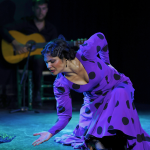
According to the United Nations Educational, Scientific and Cultural Organization (UNESCO), flamenco art is "an artistic expression resulting from the fusion of vocal music, the art of dance and musical accompaniment called respectively cante, baile and toque.".
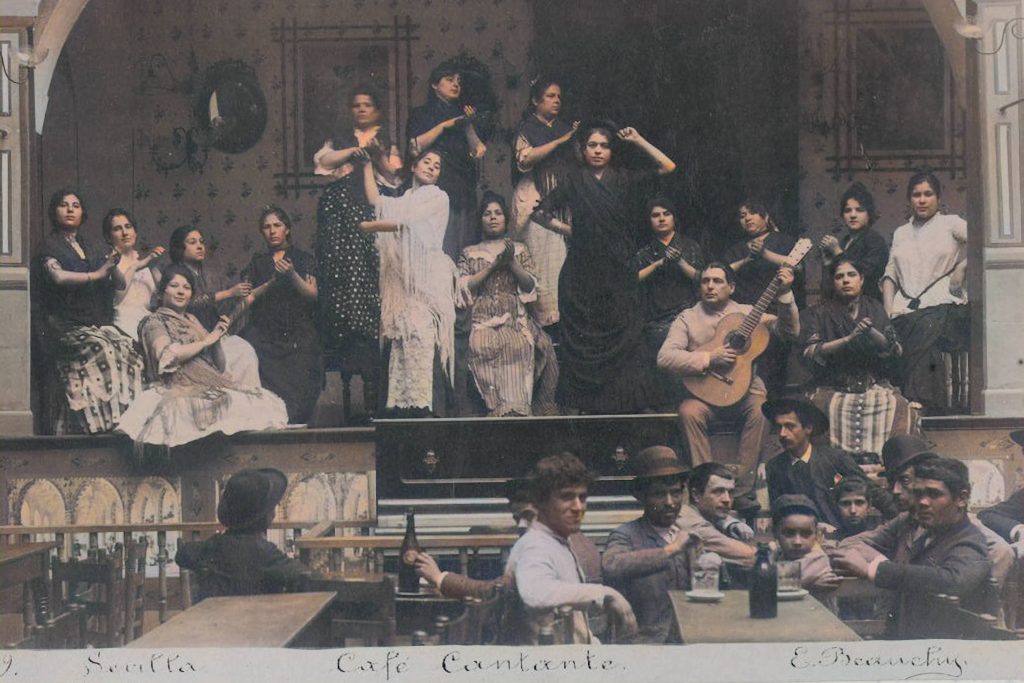
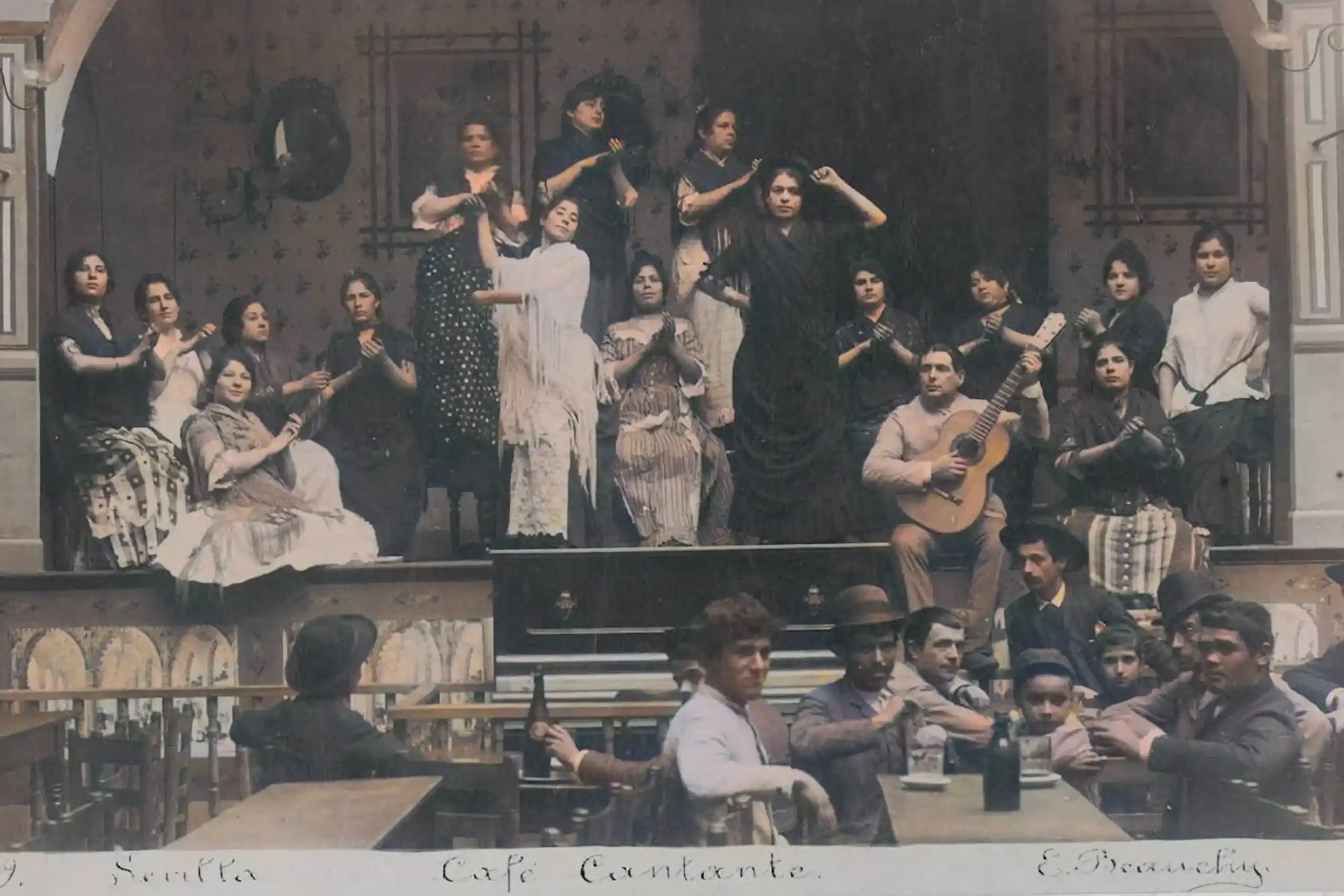
Flamenco is an artistic expression born from the fusion of many cultures, including Arab, Jewish, and Gypsy, as well as Andalusian. From this blend emerged Flamenco, spreading and becoming a universal art form known worldwide. Its exact origins are unknown, but it is understood that the earliest flamenco performances arose from parties and gatherings where dances and songs were showcased, forming the basis of the flamenco we know today. Furthermore, it is known that by the mid-19th century, flamenco was also performed in theaters and dance academies, and by the 1870s, it was also being presented in cafés cantantes (flamenco cafés).
Development of flamenco in Mallorca
Mallorca welcomes numerous flamenco artists throughout the year. Tourists flock to the island to spend the summer season enjoying the beaches, the cuisine, and the art of flamenco. Tablao Flamenco Alma offers the opportunity to experience this wonderful art form in Mallorca, along with its unique gastronomy. Tablao Flamenco Alma was founded with the aim of enriching the art scene on the island.
Great figures of flamenco
From the opening of the cafés cantantes (flamenco cafés), great figures of flamenco began to emerge, revolutionizing this art form. In dance, we can highlight Juana Vargas “La Macarrona,” Magdalena Seda “La Malena,” and later Mario Maya, Antonio Gades, Carmen Amaya, Sara Baras, Antonio Canales, and currently Manuel Liñán, Belén López, and others. In singing: La Niña de los Peines, Camarón de la Isla, Manolo el Caracol, Lola Flores, Enrique Morente, José Mercé, Israel Fernández, and others. In guitar: Sabicas, Paco de Lucía, Manolo Sanlúcar, Vicente Amigo, Antonio Rey…
Flamenco Styles and Forms
There are many styles and forms of Flamenco. They are divided into various families. One classification can be by rhythm.
We find styles that have a 12-beat rhythm: Alegrías, Bulerías, Soleá, soleá por bulerías, guajira…
4/4 time signature: Tientos, tangos, farruca, garrotín, taranto…
3/4 time signature: Sevillanas or Fandangos
Influence of flamenco on Spanish culture
Flamenco is an art form characteristic of Spanish and Andalusian culture, although its cultural impact extends far beyond Spain's borders, being recognized worldwide. It is considered Intangible Cultural Heritage by UNESCO and has been an important part of Spanish identity for centuries. Therefore, flamenco is a cultural and artistic treasure that transcends borders and defines our culture, the Spanish one. At Tablao Flamenco Alma, we have set out to transmit all these values of flamenco in its purest and most expressive form.