
Flemish palms
The flamenco palms are characterized by marking the flamenco compass with precision, rhythmic variety and enriching the interpretation of both the guitar and the song and the dance.
They serve as a basis for rhythmic styles such as bulerías, tangos or joys, although they also accompany any style that carries rhythm such as the seguiriya, the soleá por bulería, the soleá, the tanguillos, the guajiras…
To make the Flemish palms correctly, you have to know the compass of each of the styles, the speed and know the nuances of each one.
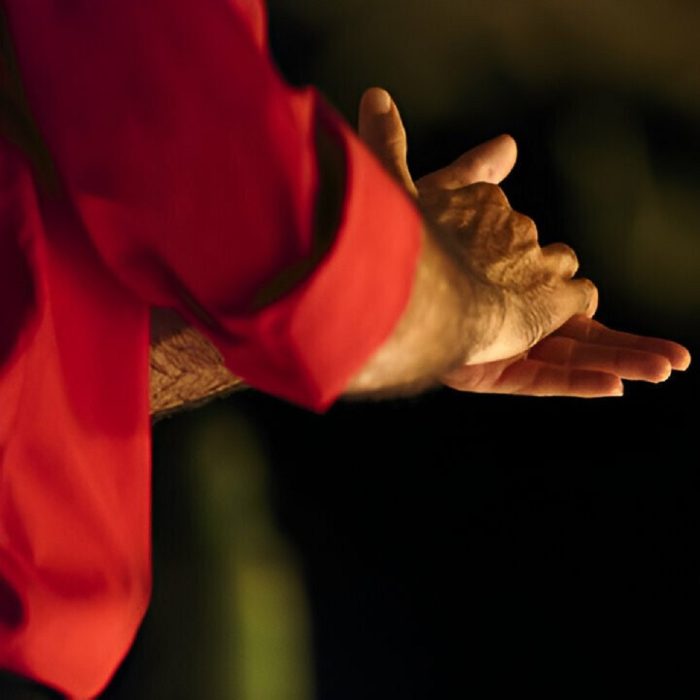
Flemish compass
The compass in flamenco is very characteristic. In addition to having compasses of ¾ (fandangos or sevillanas) and 4/4 (tientos, tangos or Colombians) it uses a very peculiar 12-stroke compass that can be interpreted in many ways.
The accents in said compass would be in the numbers 12 – 3 – 6 – 8 and 10. After this, we would start again.
The styles that use these accents are the most important in flamenco: soleá, joys and bulerías mainly.
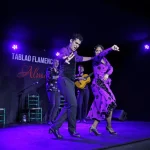
Flemish zapateado
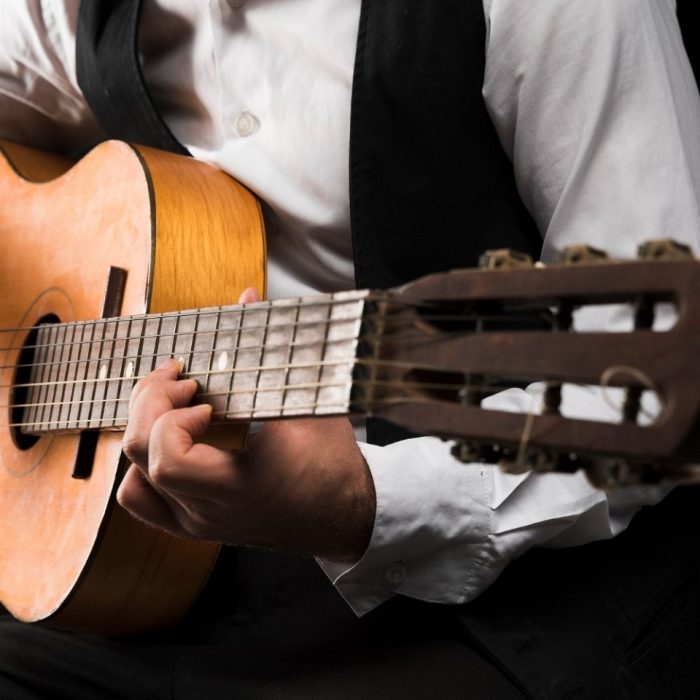
The zapateado is an element of the flamenco dance that is performed with the feet as percussion and to grant rhythmic wealth. In the beginning it was a style danced only by men. At present, this style is no longer danced, but it is a technique used by both women and men in all dances.
It is about zapatear the compass with rhythmic variations.
The zapateado is also a soloist flamenco guitar style. Some outstanding interpreters of Zapateado have been: Paco de Lucía, Esteban de Sanlúcar or Vicente Amigo.
Flamenco guitar
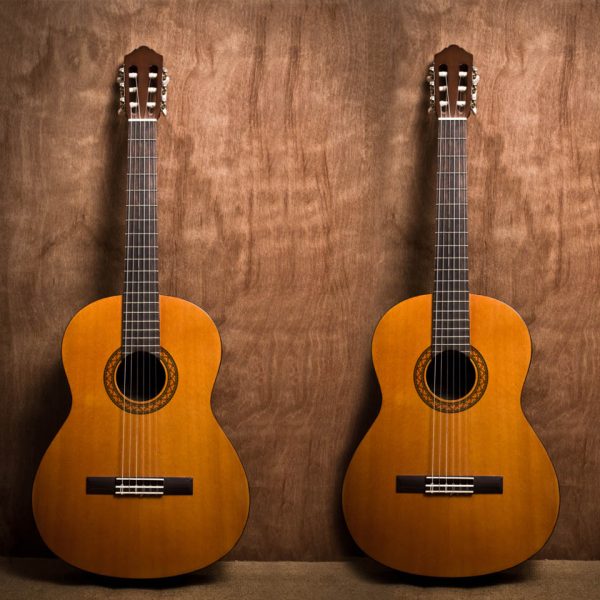
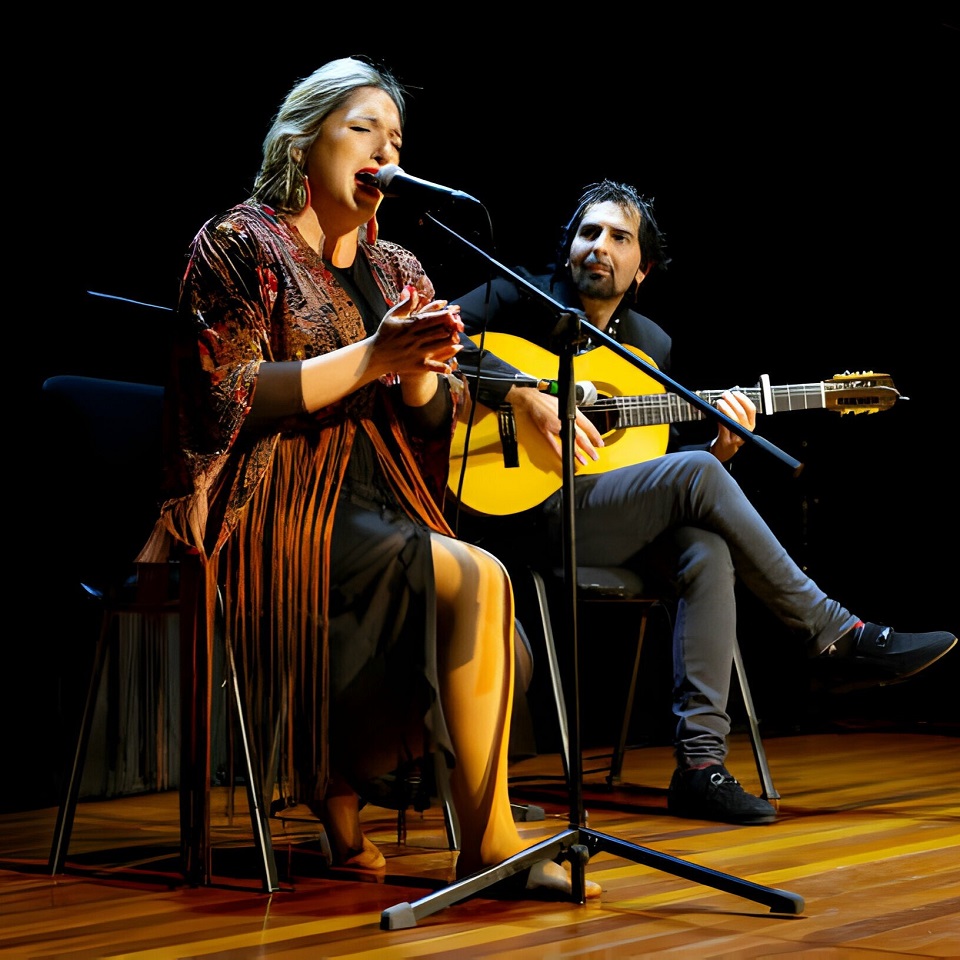
The flamenco guitar has two main functions within the flamenco: the accompanying and the soloist guitar, the latter also known as a concert guitar.
The accompaniment guitar can be singing or dancing and its main function is the rhythmic and harmonic base.
Solo flamenco guitar requires high skill in terms of technique, composition and performance.
Some prominent flamenco guitarists are Paco de Lucía, Vicente Amigo, Tomatito, Sabicas, Niño Ricardo and Manolo Sanlúcar.
FLAMENCO SING
Flemish cante stands out for its timbre and its quejío. It is characteristic of both men and women. She is present both as a soloist with the accompaniment of the guitar as an accompaniment element to the dance, singing appropriate lyrics for it.
The theme of the letters of the flamenco cante will vary depending on the style. In more serious or solemn sticks, tragedy or love will be sung. In more cheerful songs, grace will be sought or some historical event will be told.
Flemish clothing
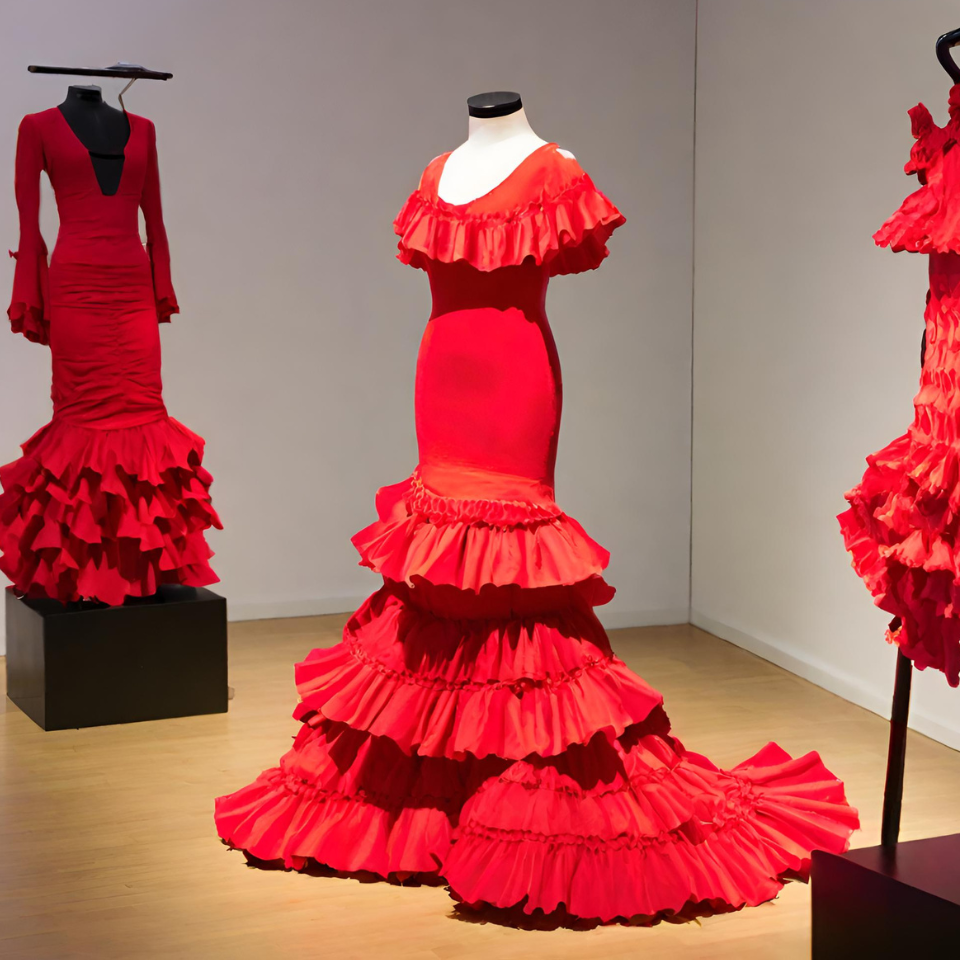
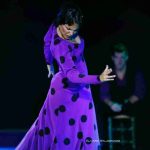
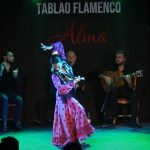
The wardrobe used in flamenco dance is very important and one or the other will be used depending on the style that is danced.
More colorful colors are used in cheerful styles such as joys, tangos or guajiras and more serious or dark colors in styles such as taranto, soleá or seguiriya.
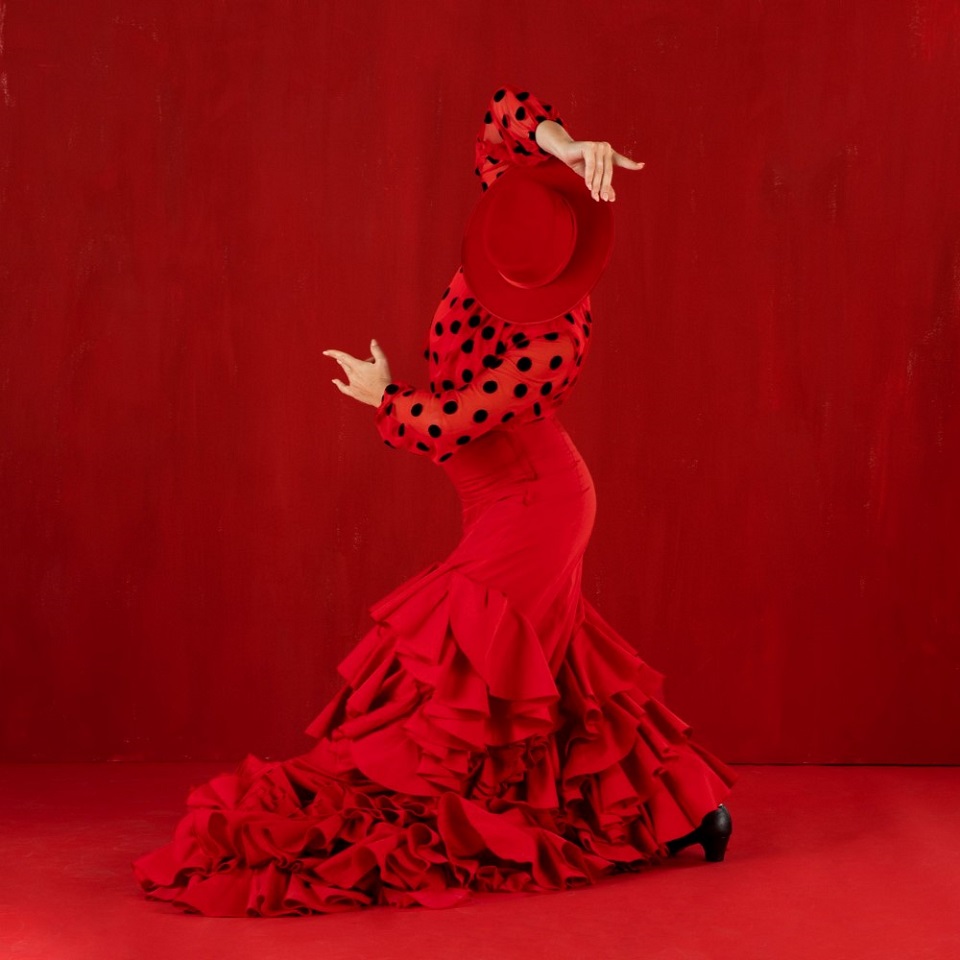
In addition to the costume clothing in both men and women, elements are incorporated that further enrich the dance, as well as the costumes. They are, for example, the castanets, the hat, the shawl, the coat, the cane or the fan.