


Flamenco is more than a musical genre or a dance; It is a cultural expression that emanates passion, history and soul. For example, imagine a tablao on an Andalusian night, where the rhythmic palms and the heartbreaking cante transport those present to a world full of intense emotions. From its deep notes to the emotions loaded with emotion, flamenco has conquered hearts all over the world. It is not surprising that UNESCO declared it an Intangible Cultural Heritage of Humanity in 2010. This art, which has its roots in the south of Spain, is a window to the essence of Spanish culture.
If you are looking to live an authentic flamenco night in Mallorca, we invite you to visit the Flamenco Tablao Alma, where the magic of flamenco comes to life. In this ‘Flamenco Guide’ we offer you a journey to understand flamenco, its history, its pillars and its mystique. You will learn about the fascinating origins and the evolution of this art, discover the fundamental elements that compose it such as singing, touching and dancing, and you will explore the different styles or ‘sticks’ that make up its rich cultural diversity. You will also approach the key terminology to delve into this exciting world.
A journey through the history of flamenco
The origins of flamenco
Flamenco has an origin as diverse as it is fascinating. Its roots are rooted in the cultural mixture that characterized Andalusia from past centuries, where the Roma, Arab, Jewish and Castilian traditions converged. Although modern flamenco was consolidated in the 19th century, its essence comes from centuries of cultural exchange.
Andalusia, cradle of flamenco, witnessed this development, where singing, touching and dancing evolved as forms of expression of the deepest emotions.
The development of flamenco through the centuries
Flamenco has gone through various stages, from its humble origins in intimate meetings to becoming an international show. In the 19th century, the first flamenco tablaos emerged as spaces where art could be appreciated by a larger audience. Over time, flamenco became professional, giving rise to iconic figures who marked the history of this art.

The pillars of flamenco: sing, touch and dance
The singing jondo
Cante jondo is the purest and deepest vocal expression of flamenco. With themes covering love, tragedy and joy, this style is characterized by its emotional intensity. artists like Island Shrimp and the girl with the combs They are indisputable referents of cante jondo.
The Touch (Flemish Guitar)
Flamenco guitar not only accompanies; She is the protagonist in herself. With its technical complexity and its ability to convey emotions, the flamenco touch becomes the soul of the show. Paco de Lucía is an example of how the guitar can revolutionize flamenco.
The flamenco dance
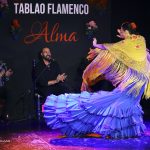
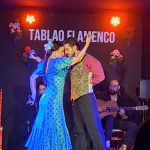
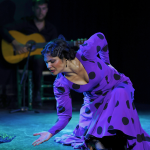
Flamenco dance is a combination of strength and grace. Rhythmic slaps, the elegant movements of arms and hands and the passion that emanates from each step make the dance a unique visual and emotional experience.
The Palos del Flamenco: A universe of styles
The ‘sticks’ are the different styles of flamenco, each with its own character and structure. For example, the soleá is perceived as solemn and melancholic, with a leisurely rhythm that invites introspection, while the bulerías are fast and cheerful, full of contagious energy and contagious energy, perfect to animate any evening. These are classified into three broad categories:
- Sing Jondo: deep and solemn. Example: Soleá and Seguiriya.
- intermediate song: Less dramatic, but equally expressive. Example: Fandango.
- FESTOUS SING: cheerful and lively. Example: Tangos and bulerías.
Each suit tells a story and represents a different emotion, allowing flamenco to connect with people from all over the background.
Basic Flemish terminology
To understand flamenco, it is important to familiarize yourself with its language:
- Goblin: That moment of inexplicable inspiration that moves everyone present.
- Compass: the characteristic rhythm that structures flamenco.
- JALLEY: Exclamations of encouragement to the artist during the performance.
- palms: The rhythmic accompaniment with the hands, fundamental in flamenco.
Flamenco in Mallorca: a unique experience at Tablao Flamenco Alma
Living flamenco in Mallorca is a unique experience, and the Flamenco Tablao Alma It is the perfect place to do it. This space combines the tradition of flamenco with an intimate atmosphere that allows you to appreciate each note, each step and each emotion.
In the heart of Palma de Mallorca, you can enjoy unforgettable shows that capture the essence of the ‘Flamenco Theater MallorcaWith renowned artists and an authentic atmosphere, every night becomes a celebration of this ancient art.
Check our programming And secure your place for a night of flamenco that you will always remember. Book your ticket now!
Feel the passion of flamenco
Flamenco is an experience that transcends words. Its history, its music and its passion make it a unique art that you must live in person. In the Flamenco Tablao Alma, we invite you to discover the authentic flamenco in Mallorca.
Check our programming And live an unforgettable night of music, dance and passion. As a recent assistant shared: ‘I had never felt something so deep. The energy of the tablao and the connection with the artists made it a magical and unforgettable night.’ We are waiting for you to share the magic of flamenco with you!

 English
  Spanish
  French
  German
  Italian
  Portuguese
  Russian