

The inclusion of flamenco in the representative list of the Intangible Cultural Heritage of Humanity of UNESCO, which took place in November 2010, marked a significant milestone in the history of this art. This recognition not only values the cultural and artistic richness of flamenco, but also underlines its importance as a symbol of identity in Spain.
Context of inclusion
Flemish, over the centuries, has absorbed influences from various cultures, including the gypsies, Moors, Jewish and Christians, creating a unique artistic form that combines cante, dance and touch (guitar).
The inclusion of flamenco in the UNESCO list was the result of a long process of recognition of its value as a cultural and artistic expression.
IMPORTANCE OF RECOGNITION
1. Flamenco Preservation: The recognition of UNESCO contributed to strengthening efforts to preserve and promote flamenco, ensuring that future generations can enjoy and learn from this rich tradition. This includes the protection of traditional forms of flamenco, as well as the promotion of their practice in schools and academies.
2. International visibility: The inclusion in the UNESCO list helped raise the visibility of flamenco at an international level. This recognition has allowed flamenco to be known and appreciated throughout the world, not only as a form of Spanish art, but as a World Heritage Site.
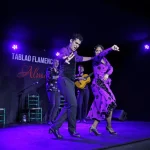
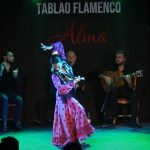
3. Support for Flemish artists: Official recognition has provided support to Flemish artists, who often struggle to keep this tradition alive in a globalized world. flamenco festivals and other cultural activities such as The Flemish tablaos They have received a boost, both in terms of funding and audience, which has helped revitalize the Flemish community.
4. Promotion of cultural tourism: Flamenco is a great tourist attraction, and its inclusion in the UNESCO list has strengthened its role as an economic engine in regions such as Andalusia. Cultural tourism related to flamenco has grown, benefiting local economies and promoting a greater interest in Spanish culture.
criticism and challenges
Despite the recognition of UNESCO, there are challenges and criticisms regarding the protection of flamenco as an intangible heritage.
1. Marketing: Some critics argue that the inclusion of flamenco in the UNESCO list has led to a greater commercialization of art, diluting its roots and authenticity. Global popularization has created stylized versions of the Flemish that sometimes deviate from its traditional forms.
2. Inequality in the recognition of regional variants: Although flamenco is widely recognized as an Andalusian art form, there are regional variants that may feel underestimated or underrepresented in the dominant narrative. The diversity within flamenco is vast, and it is crucial that all its expressions are equally valued.
3. Authentic preservation vs. EVOLUTION: There is a debate on how to balance the preservation of traditional flamenco with the need for art to evolve. Flemish, like any form of living art, is constantly evolving, and some purists fear that the influence of other genres and modernization could compromise its essence.
Conclusion
The inclusion of flamenco in the UNESCO Intangible Cultural Heritage List has been a significant achievement that has helped guarantee the survival and promotion of this rich cultural tradition. However, it has also posed important challenges and debates on how to protect its authenticity and diversity in a globalized world. It is essential that preservation efforts respect both the traditional roots of flamenco and its ability to evolve and adapt to new generations and contexts.