





Flamenco is more than an art form; it's an emotional experience that envelops those who experience it, transporting them to a world of profound and heartfelt sensations. With Andalusia as a major source for this art, this artistic expression has won hearts worldwide thanks to its ability to evoke a wide spectrum of emotions, from exuberant joy to the deepest melancholy.
Join us on this journey through flamenco, discovering how this ancient art awakens the most authentic feelings and how the Tablao Flamenco Alma in Palma de Mallorca It offers the perfect opportunity to experience it firsthand.
Flamenco: An art full of emotions
Flamenco is a cultural expression that has evolved over centuries, fusing Gypsy, Arab, Jewish, and Christian influences. This amalgamation of traditions resulted in an art form full of life and emotion, where each performance is a story told through dance, song, and guitar. From its origins in centers like Seville, Cádiz, and other parts of Andalusia, flamenco has preserved its authenticity while evolving, always maintaining its essence of conveying intense feelings.
Tablao Flamenco Alma: A corner of tradition in Palma de Mallorca
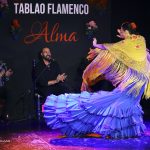
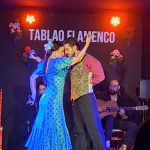
In the heart of Palma de Mallorca is found Alma Flamenco Tablao, A place that captures the magic and essence of flamenco in every performance. This space has become a landmark for locals and visitors who wish to immerse themselves in the world of flamenco music and dance. The shows offered by the Alma Flamenco Tablao They are a vibrant display of the tradition and passion that characterizes this art form, transporting the public to the streets of Seville and other iconic locations in Spain.
Flamenco dancing: Movement and passion
The variety of sticks and their emotional expression
Flamenco is known for its sticks, These are the different styles or subgenres of this discipline. Each stick has its own character and is associated with particular emotions:
- The joyExpressed in styles such as joys, This style represents happiness and the joy of living. Its movements are quick and festive, conveying energy and vitality.
- Sadness and sorrowSticks like the seguiriya and the soleá They are perfect examples of flamenco's ability to communicate pain and anguish. The dancers, with intense and solemn gestures, lead the audience to a state of profound reflection.
- Passion and abandon: The bulería It is the style that best embodies passion and improvisation. It is a vibrant style that requires great skill and invites both the dancer and the spectator to be carried away by the rhythm.
The universal language of the body
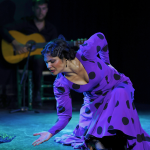
The body is a fundamental tool in flamenco dance. Every hand movement, every heel tap, and every glance tells a story. The dancers become storytellers who, without words, manage to convey a wide range of emotions. Dancers like Antonio Gades and Carmen Amaya, as well as their successors, including Sara Baras and Rocío Molina, have left an indelible mark on the history of flamenco, standing out for their ability to communicate with their bodies and captivate their audiences.
Flamenco singing: Voice and soul
Lyrics and melodies that move you
The singing is the soul of flamenco, and its lyrics are often poems that reflect the realities of life, love, loss, and hope. Flamenco melodies are imbued with a raw and honest feeling that connects directly with the audience.
- Types of singing and emotionsStyles like the soleá and the seguiriya They are known for their depth and dramatic nature. bulería, In contrast, it is cheerful and allows for a more dynamic interplay of voices.
- The voice as an emotional instrumentIn flamenco, the voice is much more than a means of singing; it is a vehicle of expression. Singers like La Niña de los Peines and Camarón de la Isla have become legendary for their ability to convey emotion with every note.
The flamenco guitar: Rhythm and feeling
The guitar is both an accompaniment and a voice in its own right in flamenco. Guitarists have the ability to create atmospheres that envelop the listener and complement the singing and dancing.
The different touches and their emotions
The different playing styles of flamenco guitar allow for the exploration of different emotions. From the light and playful touches of the joys down to the deep and moving notes of the soleá, The guitarist plays with rhythm and melody to enhance the emotion of the performance. Figures like Paco de Lucía and Vicente Amigo have revolutionized the world of flamenco guitar, taking this instrument to new heights.
The flamenco tablao: The stage of emotions
A flamenco tablao Flamenco is where magic comes to life. These intimate spaces allow for direct interaction between the artists and the audience, creating an atmosphere charged with emotion and shared energy.
The experience at the Alma Flamenco Tablao
Attending a show at Tablao Flamenco Alma is to immerse yourself in a complete sensory experience. The warmth of the live music, the intensity of the dance, and the power of the singing merge to offer an unforgettable evening. Each artist contributes their own style and passion, making every performance unique. In this setting, flamenco is lived and felt in a way that goes far beyond mere observation.
Flamenco is a celebration of life and human emotions. Through dance, song, and guitar, it is able to touch deep and universal chords in those who witness it. Tablao Flamenco Alma in Palma de Mallorca It is an exceptional place where you can experience this firsthand, enjoying shows that honor tradition while embracing innovation.
Come and experience the passion of flamenco at Tablao Flamenco Alma and discover how this ancient art can make you laugh, cry, and feel moved like no other form of expression.